









A new property management company might get a dozen emails in its first month, each offering a listing on some “premium” directory. A few are useful. Some are abandoned websites full of broken pages. A handful are outright scams.
Knowing how to tell the difference saves time and money, and it keeps your business information on platforms people actually use.
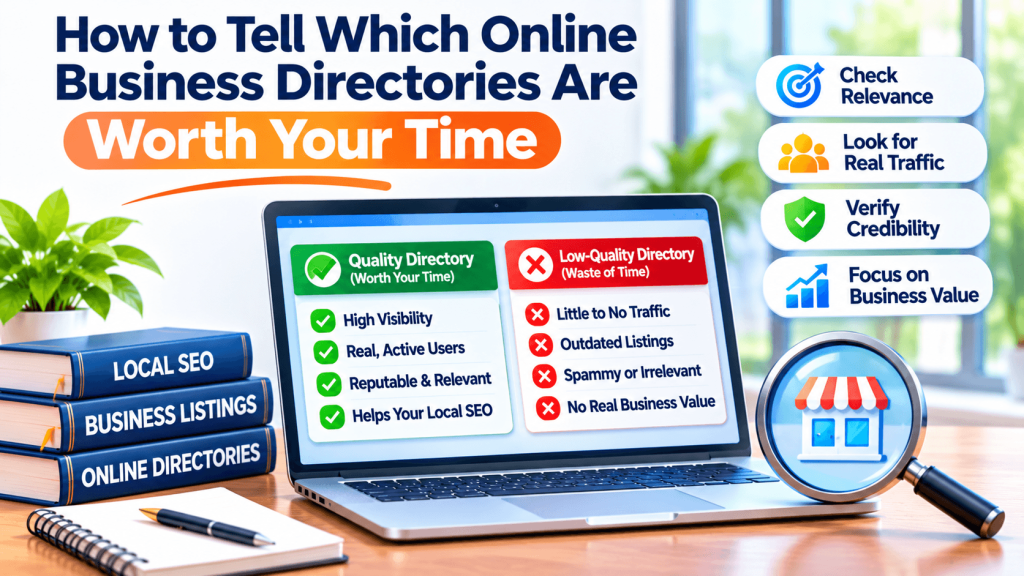
Start With Relevance
The first question is simple: would your customers ever browse this site? A real estate agency gains more from appearing in a real estate or property category than from a random list of unrelated companies.
Look for directories organized by clear categories and locations. A well-structured category, such as Real Estate and Property listings on dynamiclist.net/, helps a renter or home buyer compare relevant businesses without wading through unrelated results.
Signs of a Well-Maintained Directory
Spend five minutes browsing before you sign up. Do listings show complete details such as phone numbers, addresses, and descriptions? Are the pages loading properly, and is the site secure? Do you see recently added businesses, or does everything look years old?
Try searching the directory the way a customer would. If you type “property management” and a city name, do sensible results appear? A directory that is hard for you to use will be just as frustrating for the people you hope will find you.
Check how the directory handles edits. A good platform lets you update your profile or request corrections. If there is no way to change your details later, inaccurate information could stay online long after your business moves.
Red Flags to Avoid
Be cautious of any directory that guarantees first-page rankings, promises a specific number of leads, or pressures you to pay immediately. No listing can honestly guarantee search results, because rankings depend on many factors.
Also avoid sites that publish thousands of thin, copied listings with no categories or contact details. These rarely send real visitors. Before paying for any upgrade, ask what you actually get, such as better placement on the site, extra photos, or a longer description, and decide whether it’s worth the price.
Conclusion
A short list of relevant, well-kept directories is more useful than dozens of low-quality ones. Pick a few that suit your industry and location, such as dynamiclist.net/, keep your details identical on each, and review them a few times a year. Quality and accuracy matter far more than volume.
Frequently Asked Questions
How many directories should a small business be listed on?
There isn’t a magic number. Focus on the major platforms customers use, such as Google Business Profile, plus a handful of relevant directories for your industry and region. It’s better to keep ten accurate listings than to spread outdated information across fifty sites you’ll never maintain.
Are paid directory listings worth it?
Sometimes. Paid upgrades can offer better placement, more photos, or longer descriptions on that particular site. Judge them by whether the directory’s audience matches your customers. Be wary of any paid option that promises guaranteed rankings or a set number of leads.
Can a bad directory listing hurt my business?
An outdated or incorrect listing can send customers to the wrong address or an old phone number, which costs you calls and trust. If you find a low-quality listing with wrong information, request a correction or removal. Keeping your details accurate everywhere is the main goal.
What should a good directory profile include?
At minimum, your business name, address or service area, phone number, website, and category. A short, specific description of what you do and who you serve adds helpful context. Photos, business hours, and social links are useful extras when the directory supports them.